.png)


 管理人
管理人


The evolution of gambling tracing its roots throughout history
もくじ
Origins of Gambling
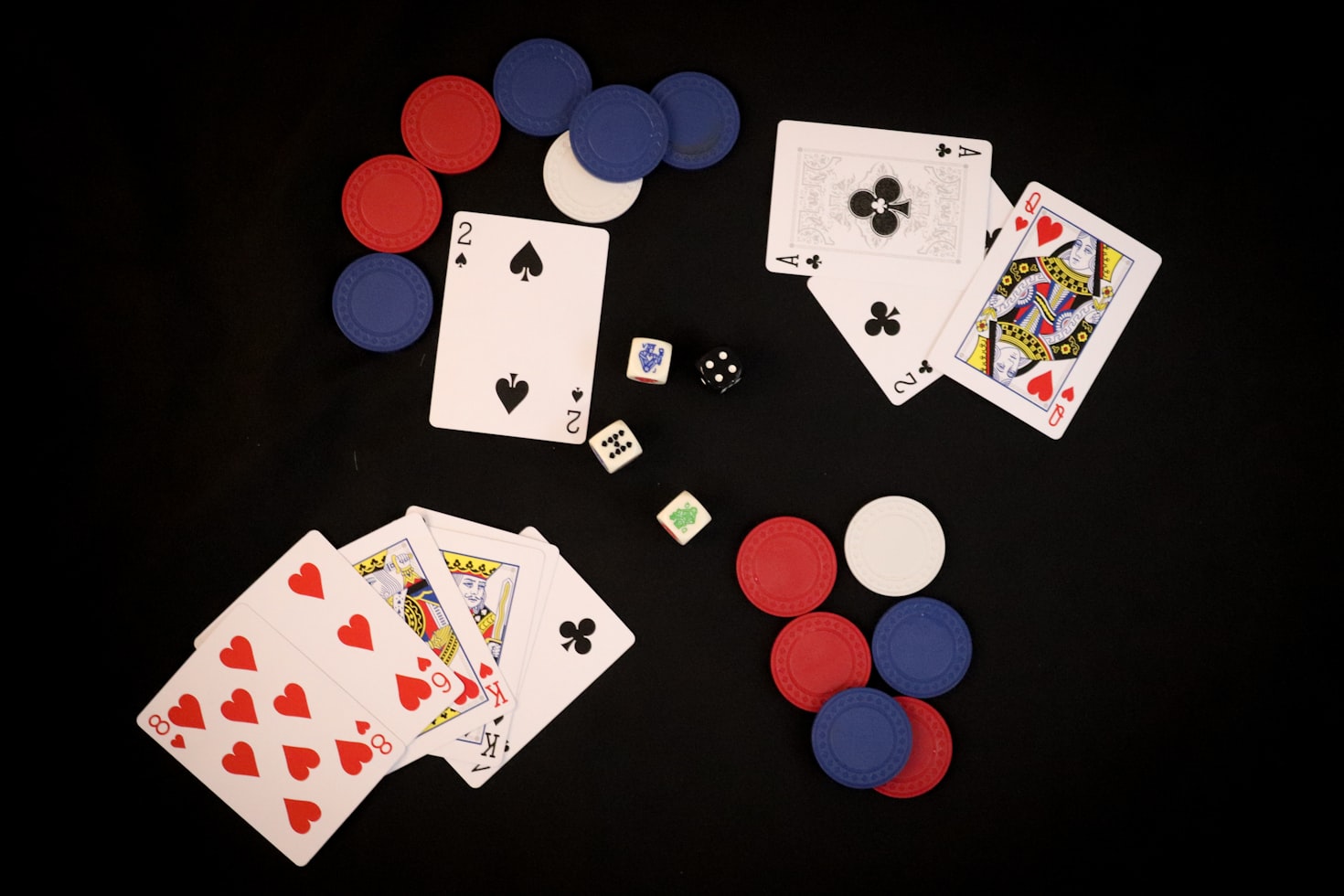
The history of gambling dates back thousands of years, with evidence of betting activities found in ancient civilizations. Archaeological findings suggest that as early as 3000 BCE, the Chinese used dice made from animal bones to engage in games of chance. Similarly, the Romans and Greeks embraced various forms of gambling, using betting to increase the excitement of their games and sporting events. It is fascinating to consider that modern variations of popular pastimes, like the ice fishing game, have roots in such long-standing traditions.

In these early societies, gambling was not only a source of entertainment but also a way to socialize and bond with others. The earliest known gaming cards were documented in China during the Tang Dynasty (618-907 CE), marking the start of card games that are now integral to modern gambling.
Gambling in the Middle Ages
During the Middle Ages, gambling evolved further, gaining popularity among the nobility and commoners alike. The introduction of wagering on games such as dice, chess, and even animal fights became commonplace. This era also saw the rise of formal gaming houses, where people could gather to play games legally.
As gambling became more organized, various societies imposed regulations and taxes on gambling activities. This led to the creation of lotteries, which were often used to fund public projects, revealing how intertwined gambling was with economic and social structures at the time.
The Rise of Casinos
The 17th century marked a significant turning point in gambling history, with the establishment of the first modern casinos. Venice opened the first official casino, the Ridotto, in 1638, setting a precedent for regulated gambling environments. This innovation catered to the growing demand for safe and structured gambling experiences.
Casinos soon spread across Europe, with notable establishments emerging in France and Germany. The introduction of roulette and baccarat during this period popularized casino games, attracting not just the wealthy but also the burgeoning middle class, further entrenching gambling in cultural practices.
Gambling in the Modern Era
The 20th century witnessed a significant transformation in gambling, with the advent of technology playing a crucial role. The introduction of electronic gaming machines in the 1960s revolutionized the casino experience, making gambling more accessible and appealing to a wider audience.
Online gambling emerged at the end of the century, reshaping how people engage with betting. With the click of a button, players could access a variety of games from the comfort of their homes, leading to an explosion in the online gambling market and changing the landscape of the industry forever.
Exploring Online Gambling Today
Today, online gambling has become a global phenomenon, allowing players to enjoy games from various cultures and styles. Innovative platforms offer not only traditional casino games but also unique experiences such as themed slot games and live dealer games, enhancing the excitement for players.
As gambling continues to evolve with technology, our Ice Fishing Game website is dedicated to guiding players through this thrilling world. We offer insights into the best online casinos, ensuring that both newcomers and seasoned players can maximize their enjoyment and winning potential in this dynamic industry.








コメントはこちら